Wildlife havens
You don’t need to keep fish to enjoy a premium pond in your garden. A dedicated wildlife pond serves as an area of tranquility and peace, bringing a natural aura of restfulness and deep relaxation to your outdoor space.
Across Cheshire, Lancashire and Greater Manchester, ReDiscovers Aqua specialises in reviving unloved water features, transforming even a neglected, silted hollow into a thriving wildlife wonderland. By utilising a low-intervention, natural filtration approach, our goal is to let nature do the work.
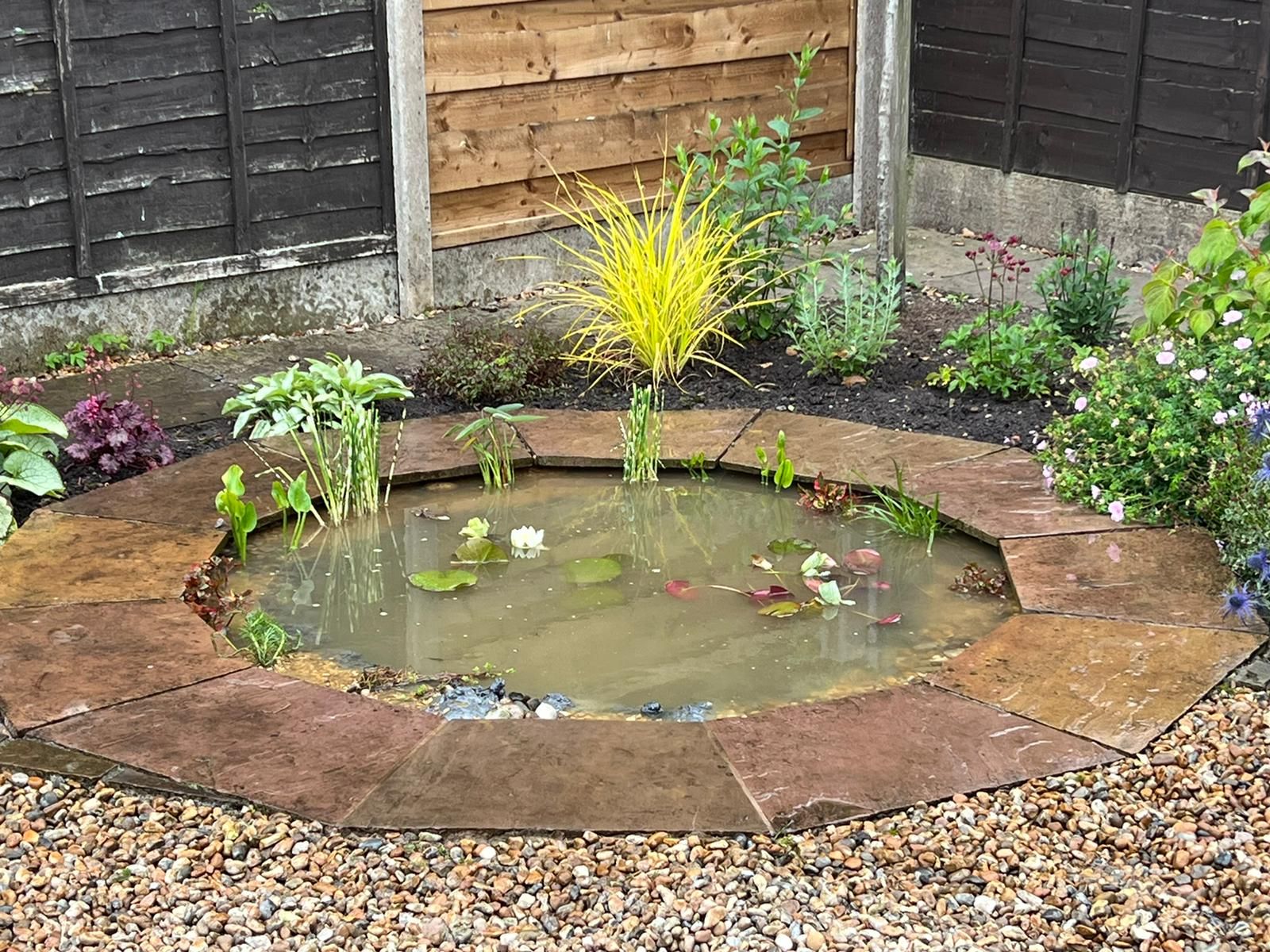
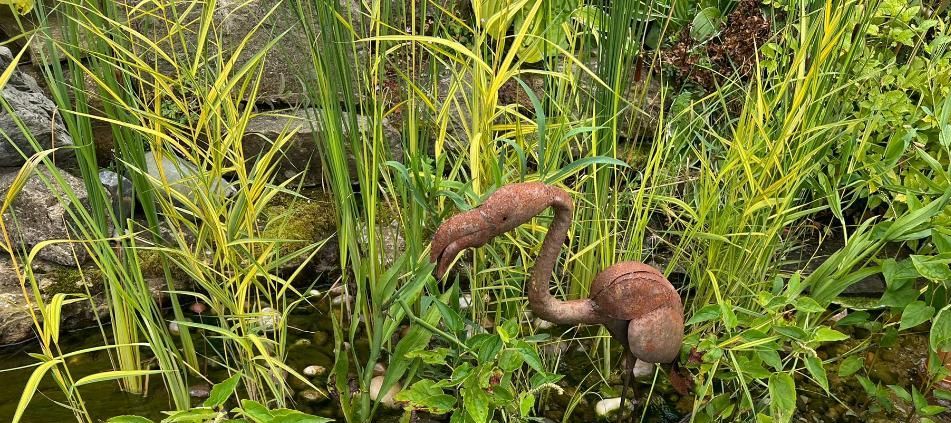
We believe we all share a profound responsibility to protect and nurture the delicate ecosystems right outside our back doors. By creating a rich habitat abundant with diverse, native flora, we can provide a vital sanctuary where local wildlife can both survive and thrive.
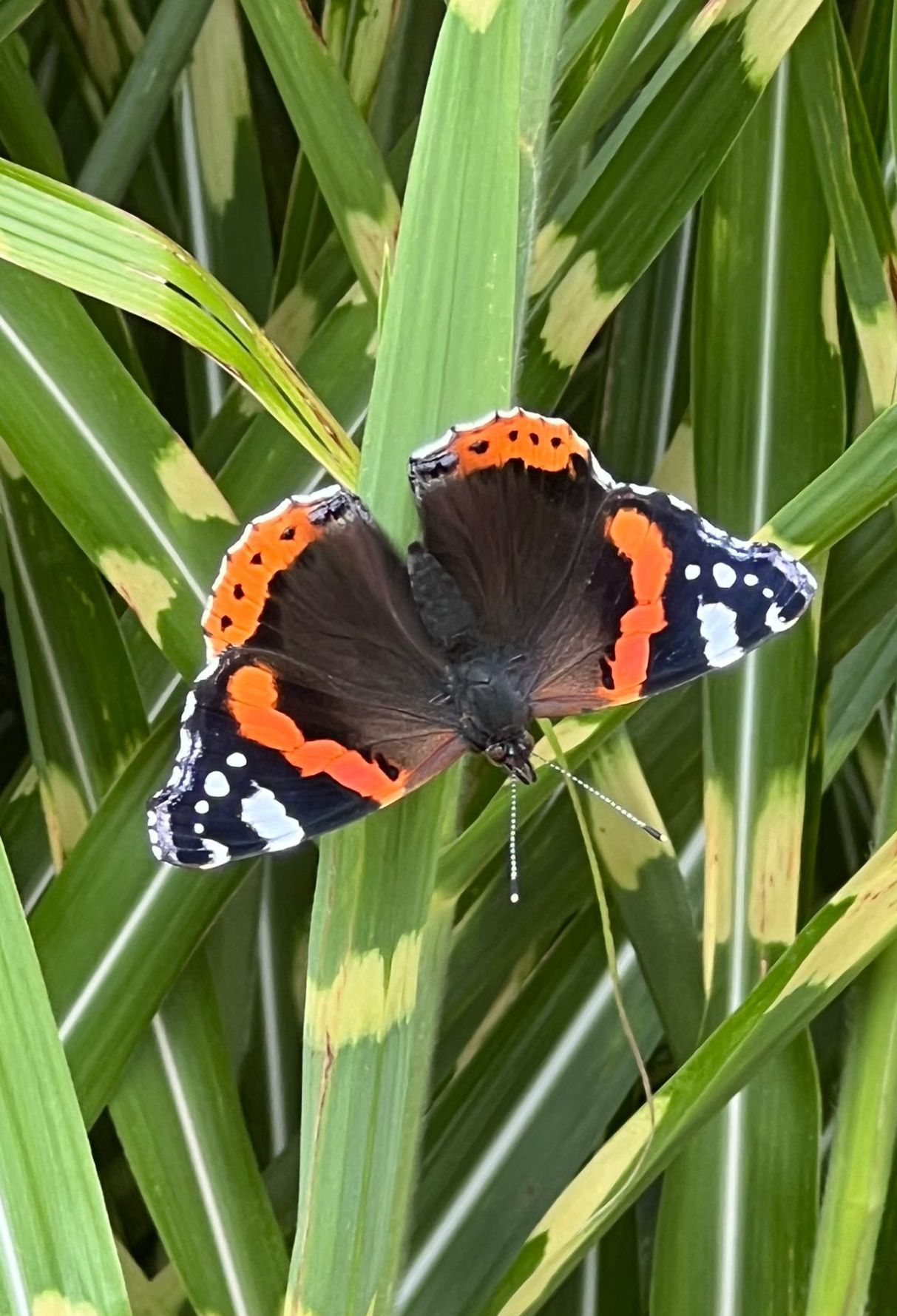
Our bespoke designs incorporate gentle, sloping margins to offer effortless access for amphibians, alongside sheltered resting nooks tailored specifically for butterflies and bees. It is an intentional, nature-first approach that ensures we are all playing a part in supporting the smaller creatures that share our gardens.

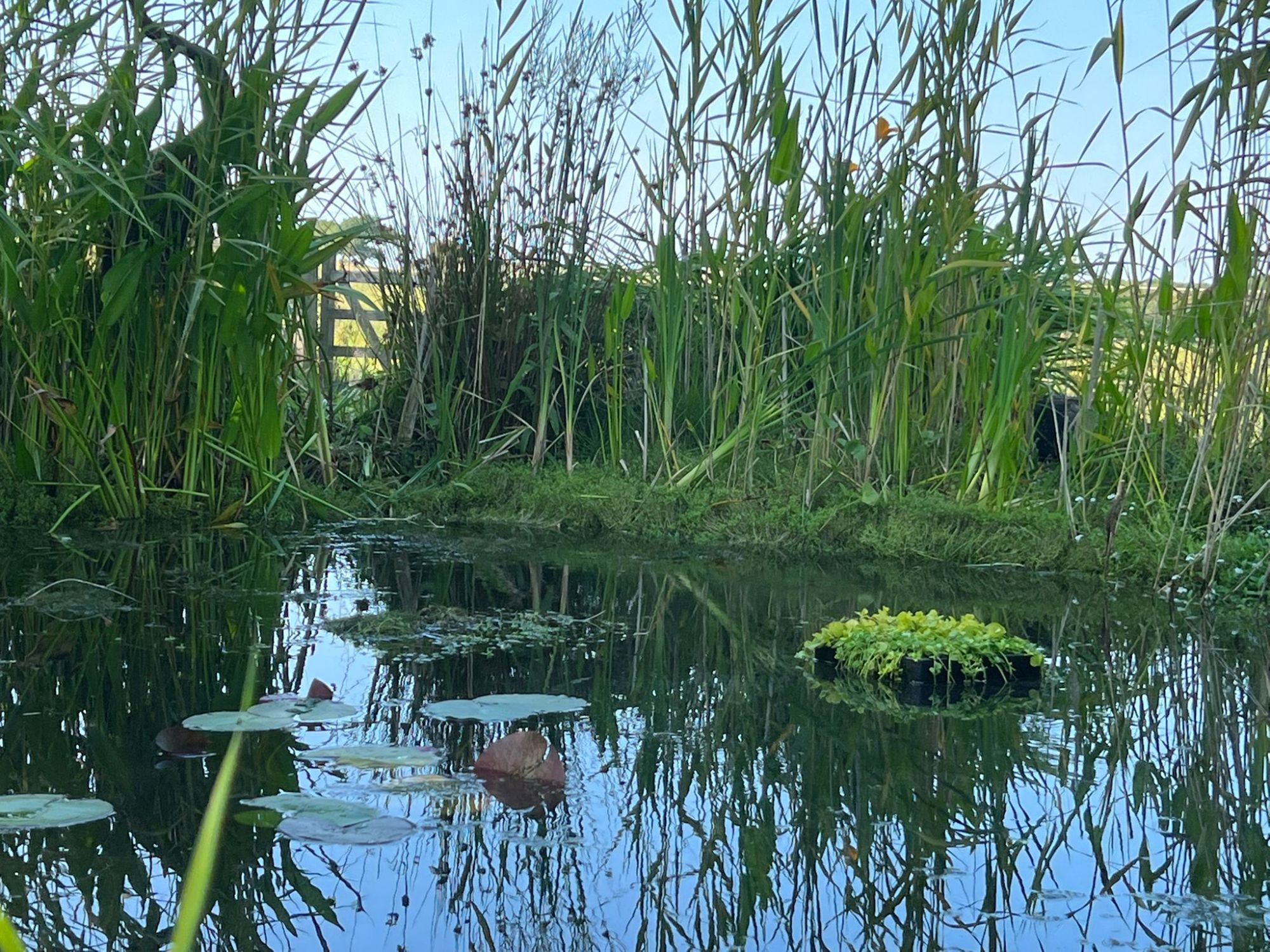
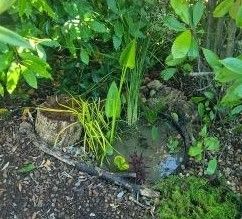

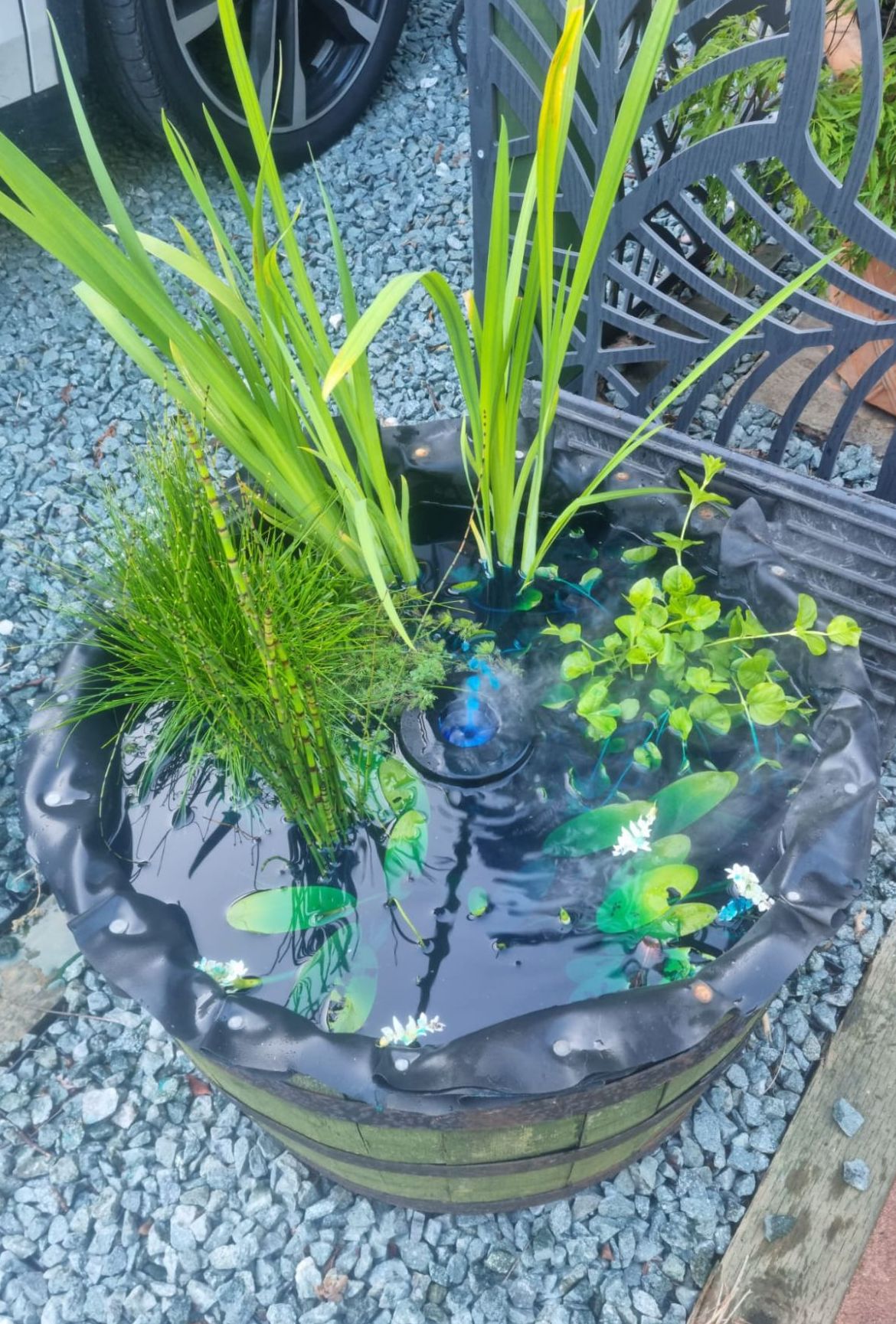
From Concrete Basin to Living Ecosystem: A Wildlife Pond Transformation


The Science of Balance: Why Nature Needs Mindful Management
Whilst it may seem that a pond with less mechanical filtration needs less maintenance, this is not the case. Managing a low-intervention feature is a delicate, artful balancing act. Our goal is to create the perfect ecosystem for all inhabitants, which requires deep botanical expertise and careful timing.
We visit every season to ensure everything is thriving—but also, in the case of aggressive or highly successful plants, not thriving too much. Controlled thinning allows for true planting diversity, preventing a single species from taking over and suffocating your open water.
Bespoke Seasonal Care Packages
Spring Reset: Precision water testing and balancing nutrients to preempt early algae spikes.
Summer Thinning: Strategic pruning of dominant species to protect visual structure and plant diversity.
Autumn Preservation: Mindful, habitat-focused vegetation management to shield over-wintering wildlife.
Winter Protection: Leaf debris mitigation to stop toxic organic gas build-ups beneath the ice.
